FOOTPRINTS: Australia’s first bereavement research study launches at PCH.
- Perth Children's Hospital Foundation
FOOTPRINTS: Australia’s first bereavement research study launches at PCH.
- Perth Children's Hospital Foundation
Supporting WA families after the loss of a child, the two-year research initiative will be closely evaluated by researchers to measure its impact and effectiveness.
Despite high-level specialist care, each year, Perth Children’s Hospital’s (PCH) Paediatric Intensive Care Unit (PICU) experiences the deaths of between 10 and 20 children and young people. Many of these deaths result from sudden or unexpected causes, underscoring the severity and unpredictability of their conditions and leaving families with limited time to prepare or access support.
To meet families’ needs and provide the care and support needed during the bereavement process, PCH launched the FOOTPRINTS study in November last year. The study is part-funded by Perth Children’s Hospital Foundation (PCHF) and led by Arielle Jolly, a paediatric intensive care nurse with more than 15 years’ experience.
Arielle’s passion for bereavement care grew from observing the stark contrast between families whose child died in ICU, and those whose child died from a chronic illness, where there is often more time to provide support through a palliative care team.
Focused on lived experience.
As a research study, FOOTPRINTS, includes in-depth qualitative interviews with bereaved families and focuses on three key areas:
- Families’ experiences of care at the time of their child’s death – findings recently published in Australian Critical Care.
- Gaps in the care and support they experienced.
- Families’ priorities for what they needed and wished they had during and after their loss.

Findings from the second and third areas were particularly influential in shaping FOOTPRINTS, providing insight into the experiences of families navigating the aftermath of sudden, traumatic events such as drowning, choking or severe infection.
“There’s not a lot of research done with unexpectedly bereaved families,” Arielle said. “We didn’t have much background research to draw on, and we weren’t sure how responsive the families would be, but the data we received was incredibly rich.
“One of the real strengths of the project is how much engagement we’ve had with families,” she added. “Most chose to stay involved, helped develop the guiding principles, and continue to shape the service today as part of our Consumer Advisory Group.”
How FOOTPRINTS at PCH works.
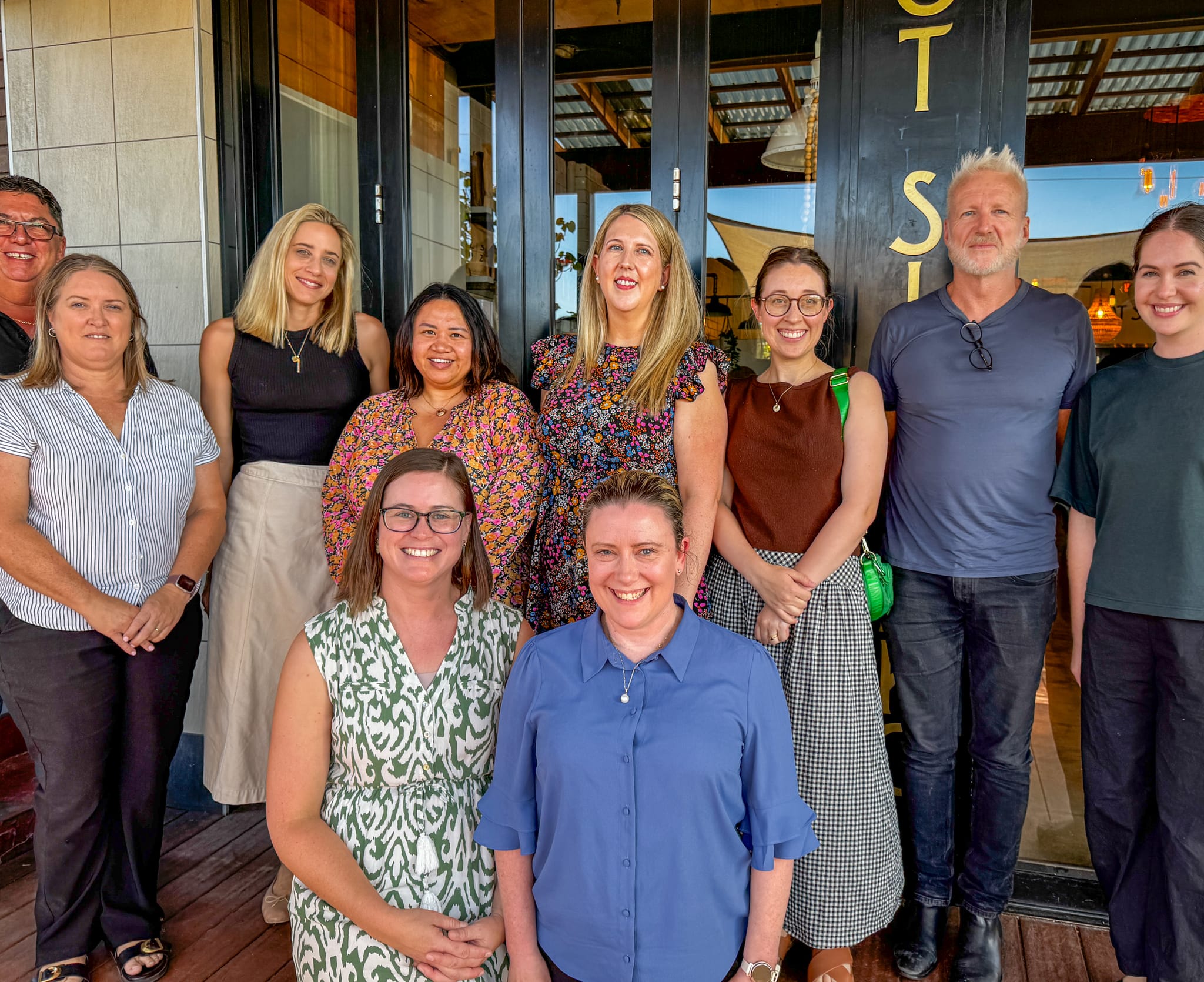
The FOOTPRINTS team includes a nurse experienced in both PICU and palliative care, and a social worker who has worked in critical care for many years. Both are embedded within the ICU team and work one day per week in their FOOTPRINTS role.
When PICU clinicians become aware that a child may not survive, and the timing is appropriate, families are introduced to the FOOTPRINTS team while still in hospital.
“Our research found it was really important that families received support from someone they had already met in PICU,” Arielle said. “These families often spend a short amount of time in hospital, and that time is complicated, fast paced and traumatic.” Providing consistent follow-up from the PICU team is central to the FOOTPRINTS research.
Following bereavement, support is offered for up to 13 months. Contact points are agreed with each family and typically occur at week one, three months, six months and 13 months, recognising that every family’s needs are different.
In the first week after a death, families face many challenges, from navigating the coronial process to visiting the mortuary or organising a funeral. Support from the FOOTPRINTS team may involve helping families understand these processes or connecting them with community grief services.
At three months, families can choose to attend a bereavement meeting with the PICU medical team.
“These meetings can be incredibly challenging for families,” Arielle said. Yet, supporting families to process what happened in the PICU is important for making sense of their grief.
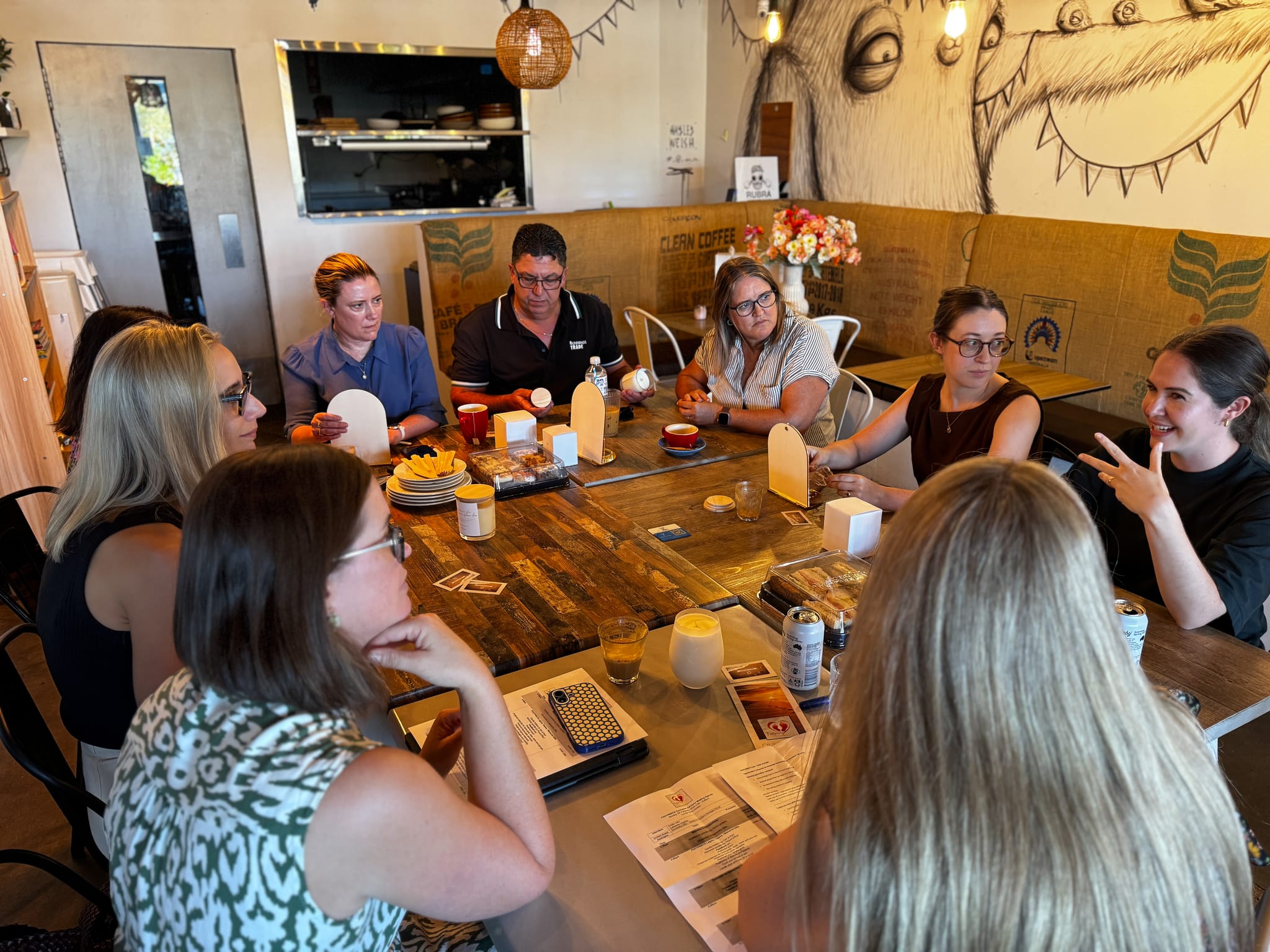
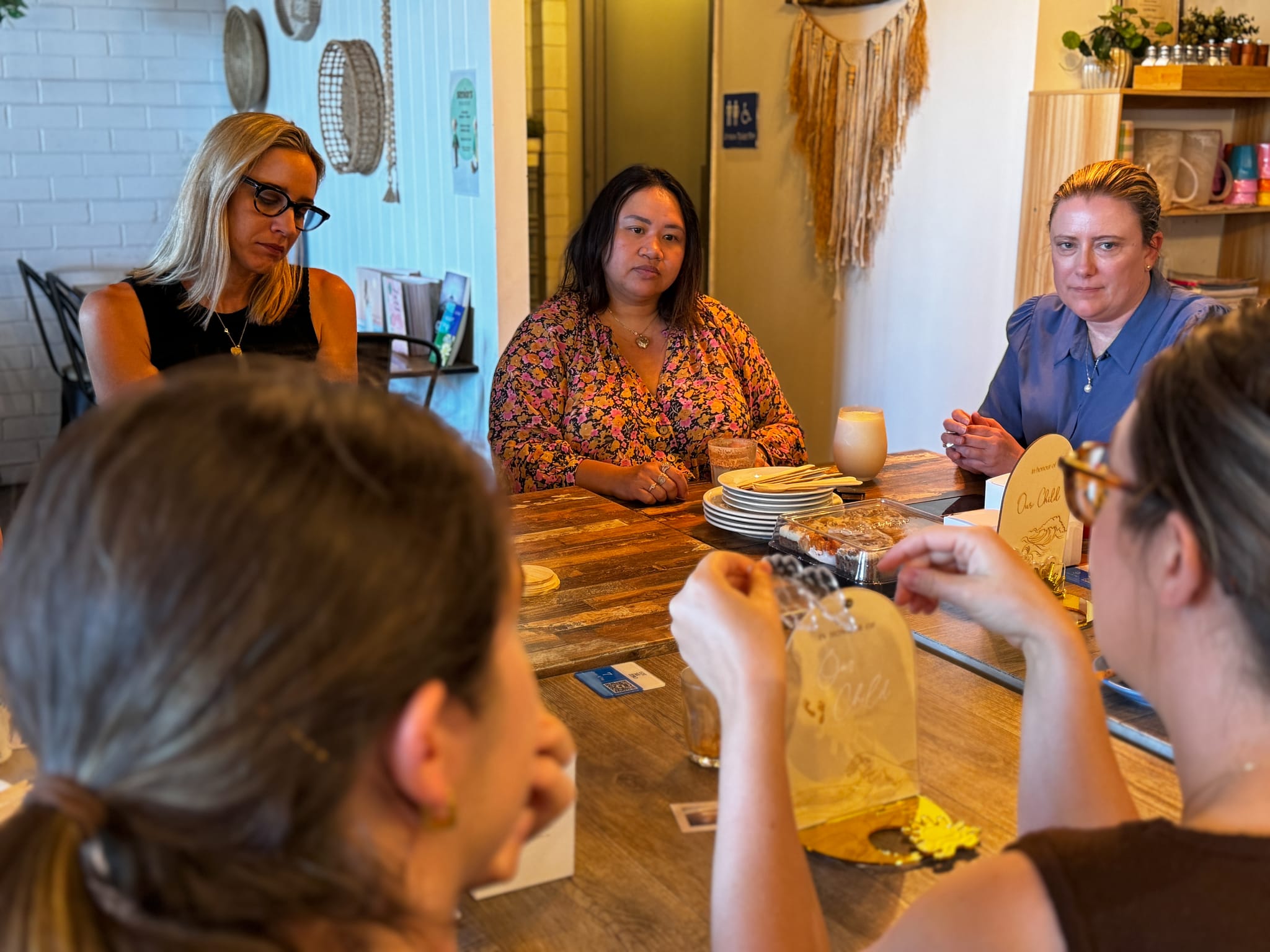
The FOOTPRINTS team can coordinate whatever approach feels right for the family, including a less formal debrief as an alternative or as an addition to a medical meeting, organising for the meeting to be held away from the hospital if returning feels too difficult, or choosing not to meet at all.
FOOTPRINTS provides families with a comprehensive, accessible list of available support, in response to feedback that families often don’t know what help exists or what they might need.
Building evidence for the future.
FOOTPRINTS will continue over the next two years at PCH, with additional study sites also rolling out at multiple children’s hospitals across Australia. The wider research team – a mix of nurses, intensive care doctors and social workers – will collect data on feasibility, uptake, systems and processes and family experiences.
“The study needed to be collaborative, because paediatric intensive care research deals with such small numbers,” Arielle said. “It’s the only way we can engage enough people to show something meaningful.
“Our first goal was to understand what families need. Now we’re asking: can we make a real difference to their grief and how supported they feel? If we can, we’ll then be able to advocate for an ongoing, evidence-based bereavement service in future that is designed with families, for families.”
Donate today at pchf.org.au/donate