How airport lost property is helping fund diabetes tech for WA kids.
- Perth Children's Hospital Foundation
How airport lost property is helping fund diabetes tech for WA kids.
- Perth Children's Hospital Foundation
More WA kids with Type 1 diabetes are accessing life-changing insulin pump technology, thanks to a $200k boost to the PCHF Pump Program from Perth Airport.
For kids living with Type 1 diabetes, access to an insulin pump can be life changing.
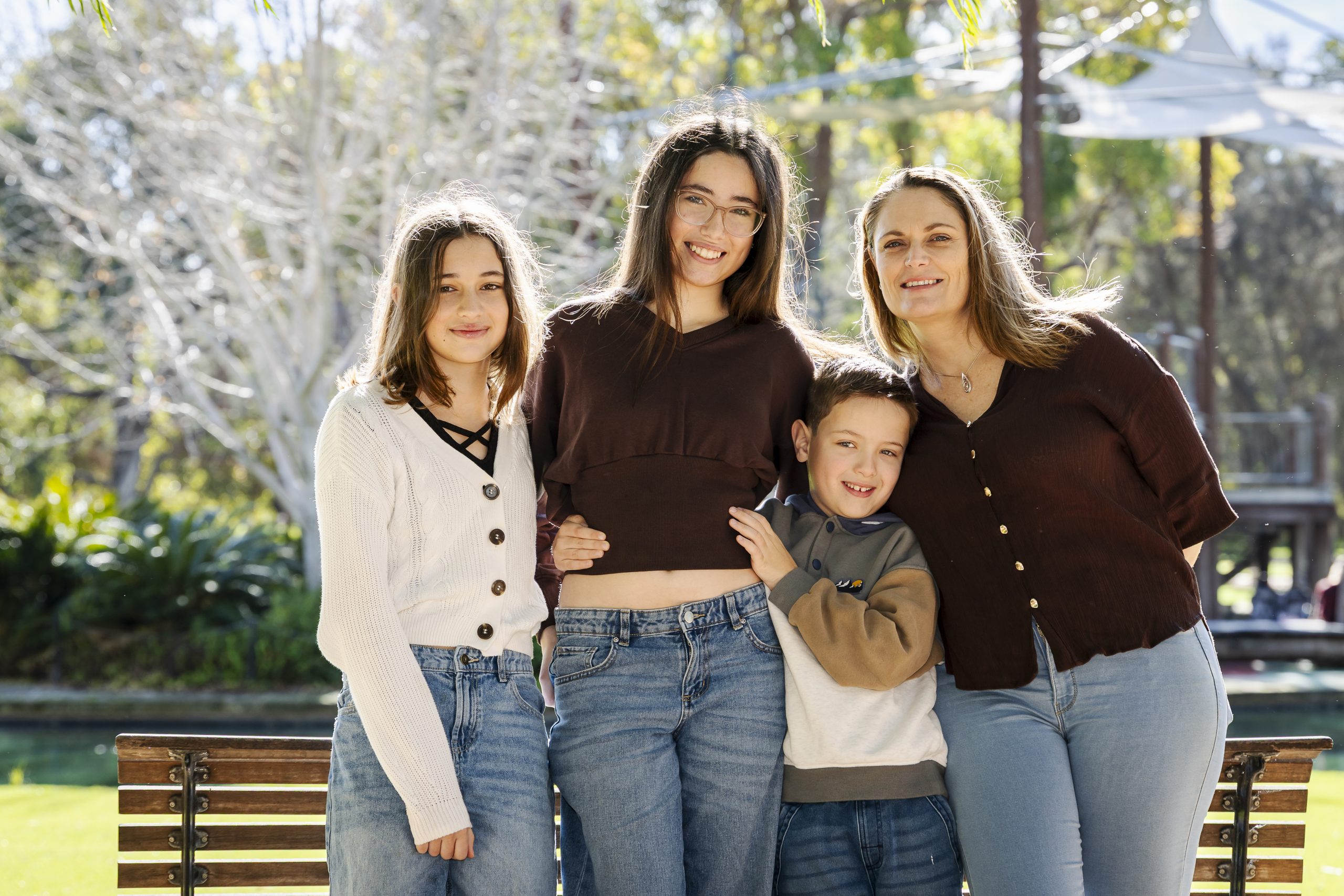
When Louise’s daughter, Isla, was rushed to intensive care at Perth Children’s Hospital (PCH), she was in diabetic ketoacidosis (DKA), a life-threatening complication of undiagnosed Type 1 diabetes (T1D).
In the months leading up to Isla’s diagnosis, Louise knew something wasn’t right.
“I knew there was something wrong, I just didn’t know what,” Louise said. “Even though we had taken her to the GP a few times, she continued to become really, really unwell. She was just so poorly, and it was incredibly scary.”
While Isla’s diagnosis finally brought answers, it also marked the beginning of managing a complex, lifelong, and sometimes life-threatening condition.

People with T1D cannot produce the insulin they need to regulate their blood glucose levels. Without insulin, complications can quickly escalate, including seizures, coma and even death.
Managing the condition requires constant monitoring and regular insulin delivery, with needs changing throughout the day depending on factors including food, exercise, illness and stress.
“While it was a relief to finally have answers, Isla didn’t really want the medical stuff to go along with the diagnosis,” Louise said. “She just didn’t want to know it existed.”
Then, Louise began noticing some of the same symptoms in her son, Kai. When Kai was also diagnosed with T1D, Louise didn’t know how she would cope.
“I was already up most nights, and the first night I had to get up for both children, one after the other, I just thought, I don’t know if I can handle two,” she said. “It was really, really hard. I wasn’t getting any sleep, and the alarms were going off constantly. The diagnosis was taking over our life.”

International guidelines recommend automated insulin delivery systems, delivered via a device called an insulin pump, as the gold standard of care for children with T1D. Unlike insulin injections, pumps can communicate with a continuous glucose monitor (CGM) and automatically adjust insulin delivery in real time based on the glucose level and trend to keep the glucose in the healthy range more often and reduce the risk of serious complications such as a low glucose level – the closest science has come to achieving an ‘artificial pancreas’.
While CGMs are government-subsidised in Australia for people living with T1D, insulin pumps are not. As a result, gold standard therapy in the form of automated insulin delivery, is out of reach for many families due to cost. Purchased directly, a pump can cost well over $8,000, or several hundred dollars per month. Private health insurance can help cover some of the expense, but requires top-level cover, waiting periods and additional out-of-pocket costs. Private health insurance premiums have been increasing for Australians, most recently at average rates higher than inflation.
“We didn’t choose this. It’s not fair for families to have to fork out so much for their children’s medical needs, especially when you’re already struggling. All the little things add up. With one child it’s maybe manageable, but with two, all those expenses double,” said Louise.
“Their long-term health was my concern. My choice was whether to fund pumps that would make their diabetes more manageable or leave them on injections, but the ongoing cost of not only the pumps, but also their other medical items, on top of the rising cost of living, was just too much for us to afford.”

The PCHF Pump Program.
At PCH, the Diabetes Service supports around 1,300 young people aged 0–18 living with T1D across WA, and the service sees close to 170 new T1D diagnoses each year.
Since 2020, the PCHF Pump Program has been helping families access best-practice diabetes care, regardless of their financial circumstances. Thanks to programs like this, more than 80% of young people with T1D in WA now use insulin pump therapy to access automated insulin delivery. The health outcomes across the statewide service have improved as a result.
Dr Craig Taplin, Paediatric Endocrinologist and the Clinical Lead of the Diabetes Service at PCH, said insulin pump therapy makes a very meaningful difference to the quality of life for children and their parents.
“We see a lot less severe hypoglycaemia (low blood sugar), healthier glucose levels across the day and, especially, at night, and children and parents sleep much better. The value of that is hard to understate, particularly for a parent who’s exhausted and sleep‑deprived, because Type 1 diabetes can feel like a relentless, 24/7 condition to care for,” he said.
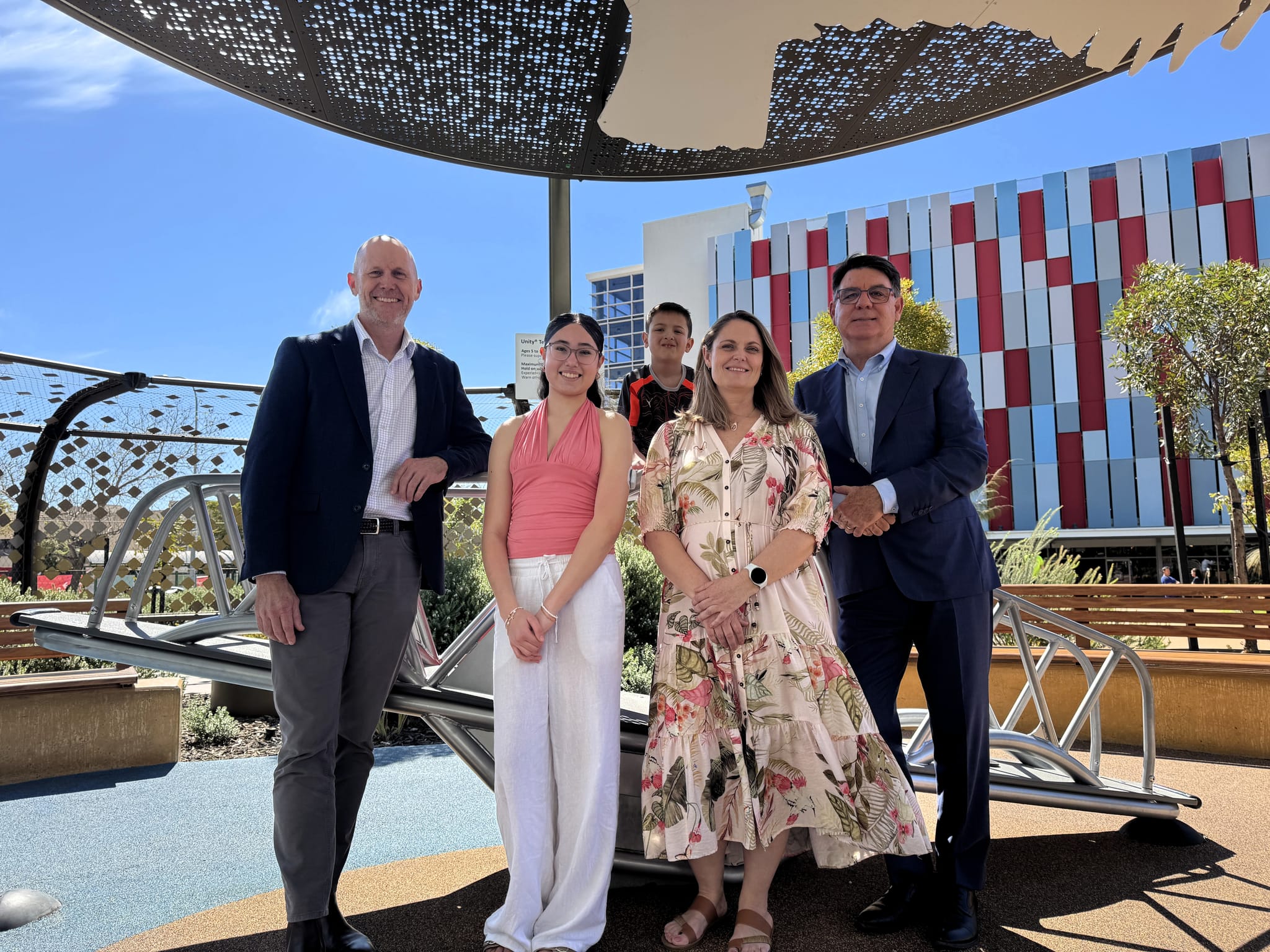
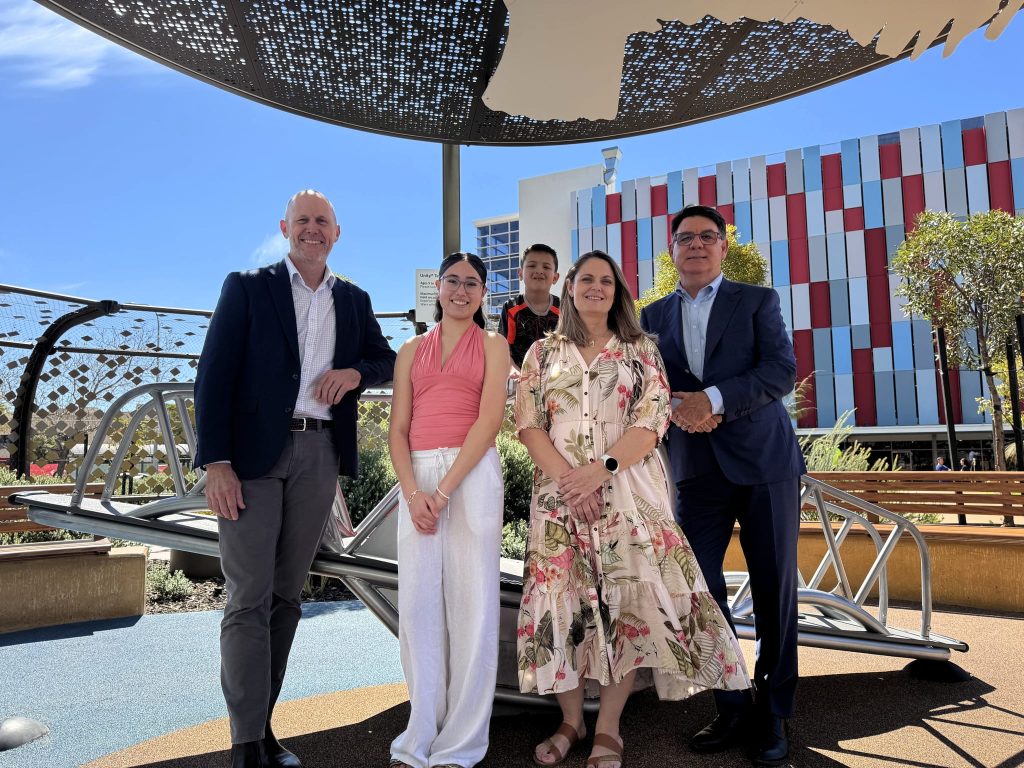
This year, long-time PCHF supporter Perth Airport has contributed more than $200,000 to the Pump Program, with funds raised through the auction of items lost and surrendered at the airport.
Perth Airport CEO Jason Waters said: “We’re incredibly proud to support Perth Children’s Hospital Foundation and help fund technology that can make such a meaningful difference to the lives of WA kids and their families.
“Every child deserves the opportunity to access the best possible care, regardless of their family’s circumstances, and we’re delighted that our contribution will help make that possible for more WA families.”
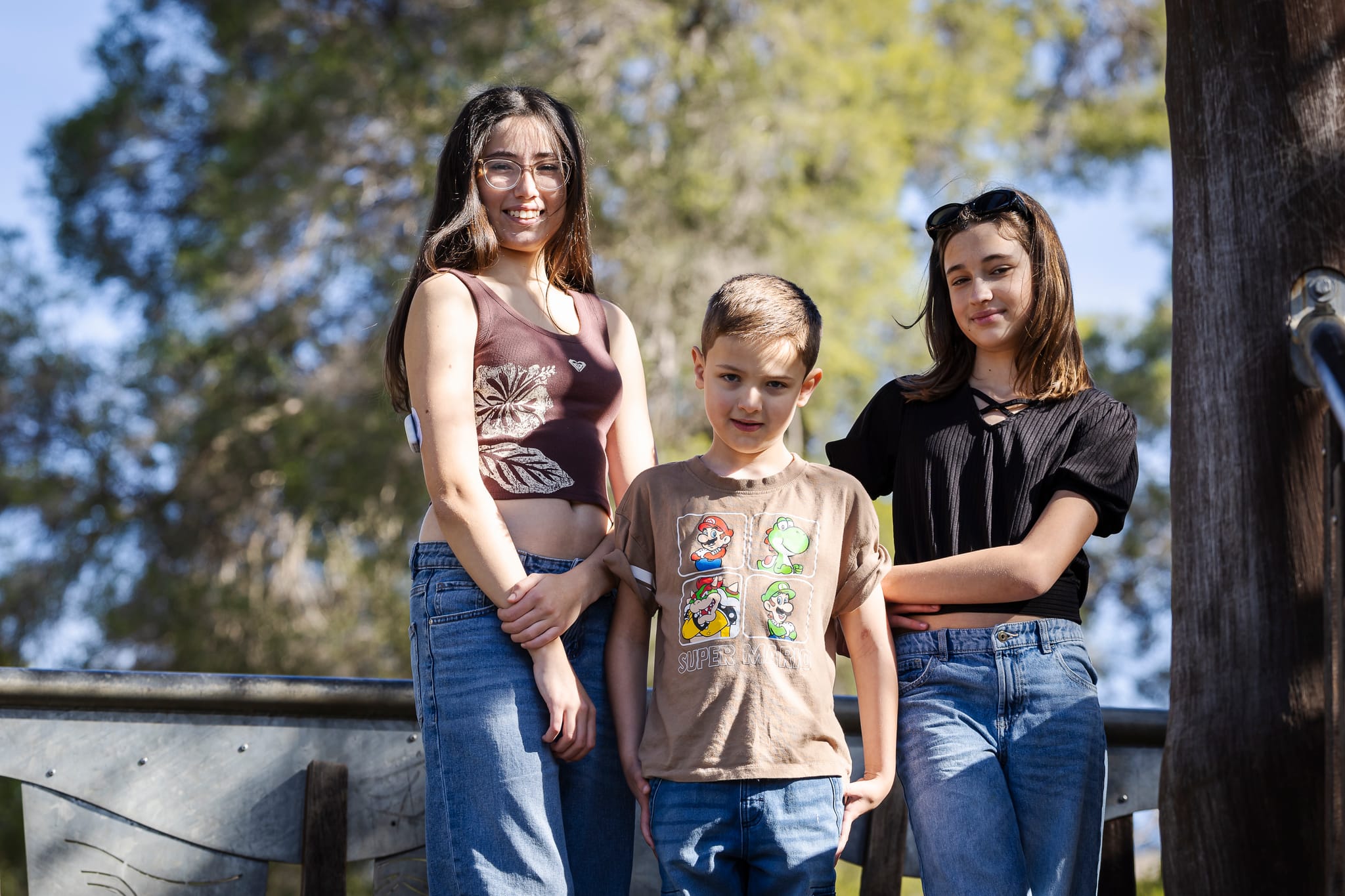
Today, Isla spends more time in her target glucose range, and managing T1D has become less stressful for her and her family.
For Louise, it’s been an absolute game changer. “Thanks to the PCHF Pump Program, we were lucky enough to be given this opportunity. It’s just made a world of difference,” Louise said. “Now I’m finally getting to sleep through the night.”
PCHF’s 2026 Pump Program is also generously funded by Euroz Hartleys Foundation, TABEC and Coelect.
To help more children and families access life-changing diabetes technology, visit pchf.org.au/donate